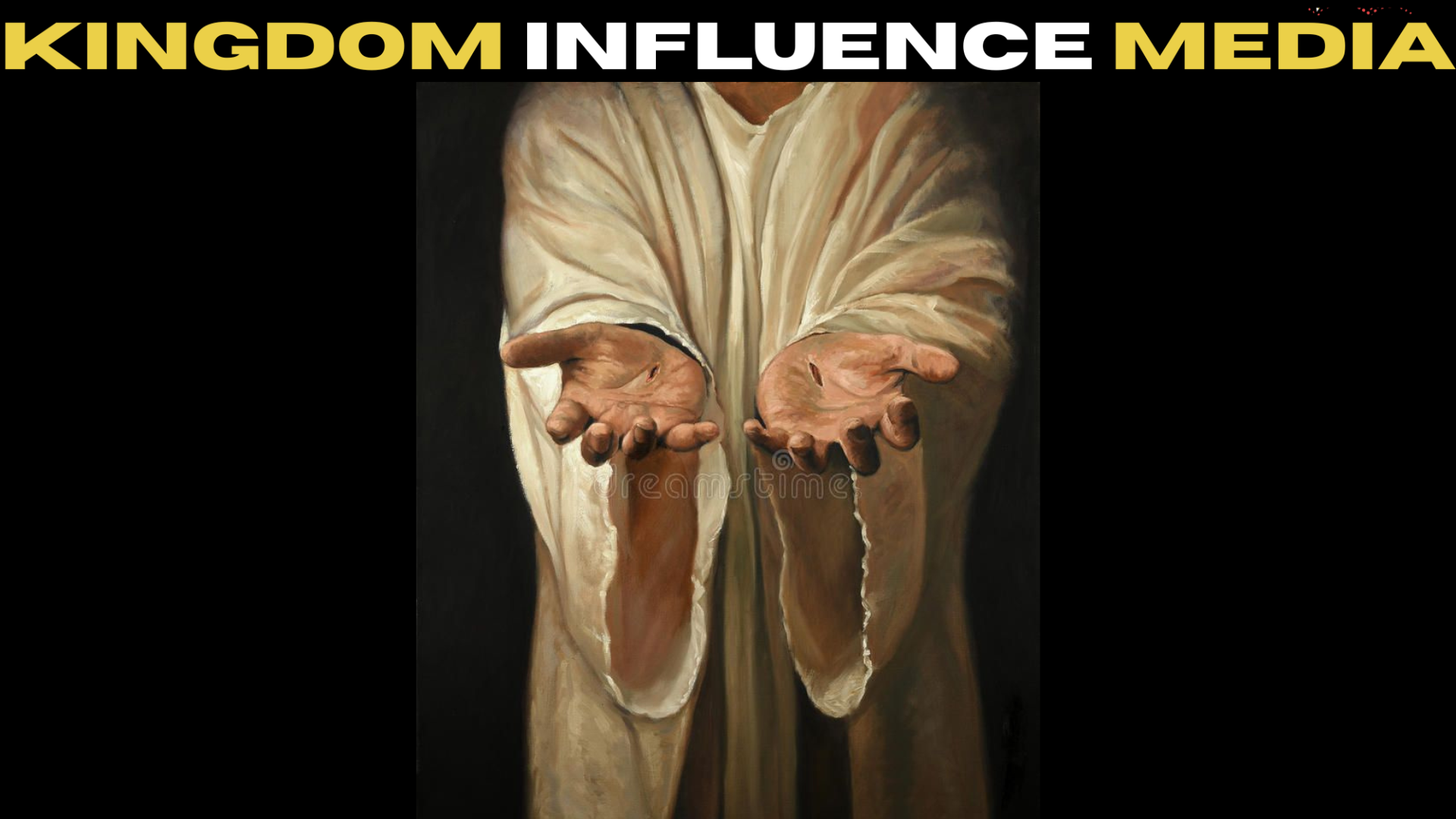

The book of Leviticus offers a detailed account of Israel’s worship practices under the Old Covenant. Its pages are filled with instructions for various offerings—burnt offerings, grain offerings, peace offerings, sin offerings, and guilt offerings. Each sacrifice carried a specific meaning and purpose, and together they formed the foundation of Israel’s relationship with God.
The sacrificial system was not merely ceremonial. It served as a constant reminder of the weight of sin and the holiness of God. For every transgression, the people were required to bring an offering to the priest, who would then perform the ritual that made atonement on their behalf. Forgiveness came at a cost—whether through the life of an animal or through grain or oil offered at the altar.
The Weight of Constant Sacrifice
Life under the Old Covenant was demanding. Every mistake required action, every sin required atonement, and worship meant continual sacrifice. The shedding of blood symbolized the seriousness of sin, but it also pointed forward to something greater. The Old Testament system, as Hebrews 10 later explains, was only a shadow of what was to come.
In many ways, Leviticus illustrates humanity’s inability to fully bridge the gap between itself and God. The endless cycle of offerings revealed that sin could not be permanently removed through the blood of goats and lambs. What the people needed was not another temporary covering, but a complete and lasting solution.
Christ: The Fulfillment of the Sacrificial System
That solution was revealed in Jesus Christ. The New Testament proclaims Him as the “Lamb of God, who takes away the sin of the world” (John 1:29). His life, death, and resurrection brought the Old Covenant system to fulfillment, offering a perfect atonement that would never need to be repeated.
Hebrews 10:10 declares, “We have been made holy through the sacrifice of the body of Jesus Christ once for all.” This single verse captures the heart of the gospel: Christ’s death was sufficient to pay the penalty for sin in its entirety. Unlike the sacrifices of Leviticus, His offering was final and eternal.
In Him, humanity’s deepest need was met. No longer must people bring animals or grain to the altar. No longer is forgiveness a matter of continual ritual. Through Jesus, the way to God is open, and redemption is secured.
Living in the Freedom of Grace
The significance of Christ’s sacrifice extends far beyond theology—it shapes how believers live today. Many still wrestle with guilt and shame, trying to “earn” God’s forgiveness through good works, charity, or personal effort. Yet the truth of the gospel is that forgiveness cannot be earned. It can only be received by faith in the finished work of Christ.
This is not an invitation to take sin lightly, but rather a call to live in gratitude and obedience, knowing the price has already been paid. When guilt arises, believers can look to the cross and remember that Christ’s sacrifice covers every sin—past, present, and future.
Hebrews 9:12 underscores this reality: “He did not enter by means of the blood of goats and calves; but he entered the Most Holy Place once for all by his own blood, thus obtaining eternal redemption.” Eternal redemption—not temporary, not conditional, but eternal.
Conclusion
Leviticus reminds us of the seriousness of sin and the holiness of God, but it also prepares us for the ultimate solution found in Christ. The endless sacrifices of the Old Covenant pointed forward to the one sacrifice that would end them all.
Today, believers stand not under the weight of continual offerings but in the freedom of grace secured through Jesus. His blood was enough. His sacrifice was final. And His resurrection ensures eternal life for all who believe.
The message is clear: what the sacrifices of Leviticus could never accomplish, Christ achieved once and for all.

Why Do Bad Things Happen When I Pray?
The enemy also wants you to believe that because things got harder, God abandoned you. That is one of the biggest lies people fall into. The closer you get to God, the…
Keep reading