Posted by Diane Shaw
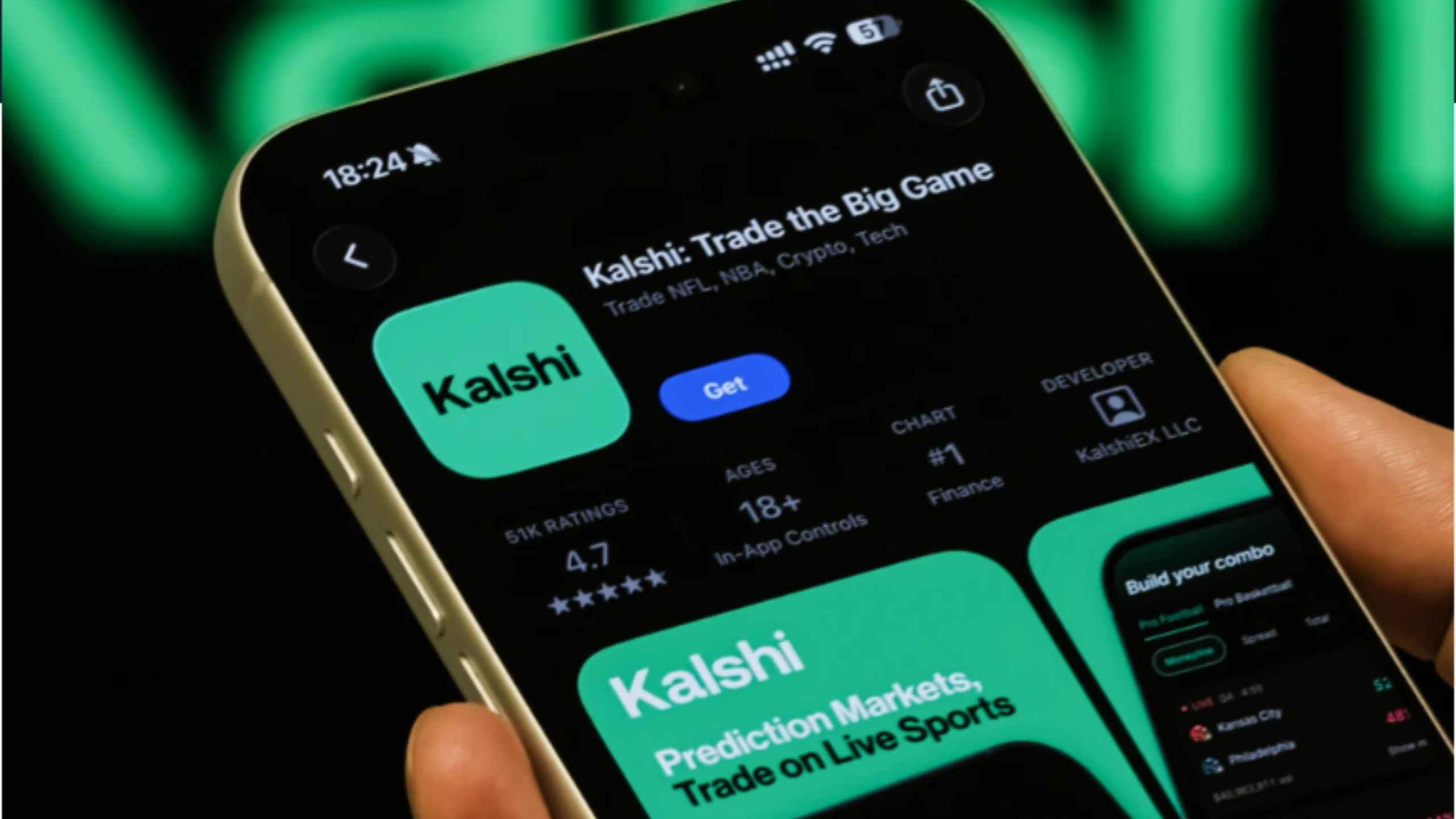
Let me start by saying this: the Kalshi app is one of the most interesting ideas I’ve seen in a long time. The concept of predicting real-world events and trading contracts on whether something will happen or not is actually pretty fascinating. Instead of traditional gambling, Kalshi positions itself as a prediction market, almost like a financial exchange where people trade probabilities.
But while the concept is smart, the execution still has a lot of room for improvement, and if the platform wants to grow long-term, there are some things it really needs to address. First, let’s talk about the biggest issue: the learning curve. For new users, the app can feel confusing right away. When someone first downloads Kalshi, they are immediately faced with contracts, percentages, bids, asks, and price movements. To someone who already understands trading or financial markets, this may seem normal. But for the average person who just heard about the app on social media, it can feel overwhelming.

People shouldn’t have to spend hours researching how the platform works before placing their first trade. If Kalshi wants to attract more users, it needs to do a much better job explaining the basics. Simple tutorials, walkthroughs, and clearer explanations inside the app would make a huge difference.
Another issue is how volatile the markets can feel. Prices can jump quickly depending on how people are buying and selling contracts. That’s not necessarily a bad thing, but it can create confusion for people who don’t understand why something suddenly changes. Someone might buy a contract for 20 cents, and minutes later it moves dramatically. Without clear explanations of how the market mechanics work, it can leave users wondering what just happened.
Then there’s the cash-out and limit order system, which honestly could be explained a lot better. Some users don’t realize they can sell their contracts early instead of waiting for the final outcome. Others don’t understand how placing a limit order works compared to simply buying at the market price. These features are actually useful tools, but they aren’t presented in a way that makes them easy to understand.
Another area where Kalshi could improve is customer support and communication. Whenever people are dealing with money—even small amounts—they want to feel confident that help is available if something goes wrong. Some users online have said it can take time to get responses to questions or issues. For a platform that operates like a financial exchange, responsiveness is important.
Now let’s talk about the types of markets available. Kalshi has some interesting ones, like weather predictions, economic data, and sports outcomes. But sometimes the markets feel a little random. There could be more consistency in the categories and events offered. If the platform focused on building deeper markets in certain areas—like sports, economic indicators, or cultural events—it might attract more dedicated users.
The truth is, the idea behind Kalshi is actually pretty brilliant. Prediction markets have existed for years in different forms, but bringing them into a regulated and structured platform has the potential to change how people interact with information. Instead of just arguing about what might happen in the news or sports, people can literally put their predictions into a market where the probabilities move in real time. That’s powerful.
But a good idea alone doesn’t make a perfect platform. User experience matters, especially when real money is involved. Kalshi has the foundation of something that could become very influential, but it needs to make sure everyday users can actually understand and navigate the system without frustration.
In my opinion, the biggest improvements would come from better education, clearer explanations, stronger support, and more structured markets. If those areas improve, Kalshi could grow far beyond what it is today. Right now, it feels like a platform with huge potential that is still figuring out how to make the experience smoother for the people using it. And if Kalshi wants to compete in the long run, that’s something it will eventually have to get right.