
Posted by Laura
Every February, schools and communities across America acknowledge Black History Month. We put up displays in classrooms, assign projects, and hold assemblies that highlight the achievements of Black leaders, artists, inventors, and trailblazers. But every year, without fail, I hear the same murmurs: “Why do we need a separate month?” or “Why isn’t there a White History Month?”
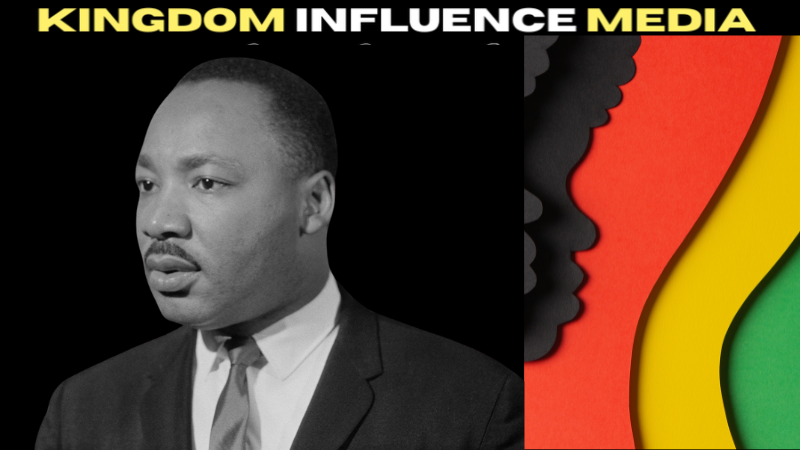
As an English teacher, but also as someone who values history and truth-telling, I think those questions miss the point. And when we look closely at one of the most recognizable figures tied to Black History Month—Dr. Martin Luther King Jr.—it becomes painfully clear how often his legacy is watered down or stripped of its deeper meaning.
Dr. King is celebrated in quotes and soundbites. His “I Have a Dream” speech is plastered on posters, t-shirts, and social media feeds every January and February. Yet, rarely do we sit with the full depth of what he taught or the courage it took for him to say what he did at a time when speaking truth could cost him his life—and ultimately, it did.
What bothers me most is that some people still refuse to see Dr. King as a Black leader. They want to claim him as a “universal” figure, someone who belongs to all races equally. Now, of course, his message of equality and justice applies to everyone, but to erase the fact that he was a Black man leading his people during one of the most hostile times in American history is to rob him of his true significance. Dr. King wasn’t just a man who dreamed. He was a Black leader who marched, protested, organized, and preached in the face of hatred that was specifically directed at Black people.

When we say “all lives matter” in response to “Black Lives Matter,” or when we strip away the racial context of King’s work, we’re repeating the same erasure. We’re refusing to let Black leaders—and Black people—own their own day, their own month, and their own recognition.
Imagine being told every year that your history doesn’t need to be celebrated separately, because it’s already “included” in general history. Except it isn’t. For centuries, history books left out or distorted the contributions of African Americans. Generations of students learned about George Washington and Thomas Jefferson without hearing that both men enslaved Black people. We heard about Thomas Edison but not Lewis Latimer, the Black inventor who perfected the carbon filament that made light bulbs practical. We learned about Rosa Parks refusing to give up her seat, but we weren’t told about Claudette Colvin, a 15-year-old Black girl who did the same thing months earlier.
That’s why Black History Month exists—not to divide, but to correct. Not to exclude, but to give honor where it has been denied.
Dr. King is central to that mission. His day in January and the month that follows in February are not about diminishing anyone else’s history. They are about shining a light on the resilience, brilliance, and leadership of Black Americans who had to fight for rights that others were freely given. When people dismiss Black History Month, they dismiss Dr. King’s role as a leader who belonged first to his community, before he was recognized by the wider nation.
I tell my students this: Dr. King dreamed a dream, but he also carried a burden. He carried the burden of being called an agitator, a criminal, and worse. He carried the weight of death threats, FBI surveillance, and a system that wanted him silenced. And he carried that as a Black man who knew he might never see the promised land he spoke of.
That’s why we can’t afford to water down his legacy. That’s why Black History Month matters. It’s not about “special treatment.” It’s about finally telling the truth, in full color, with all the names, dates, and faces that were left out for far too long.
So when people ask, “Why not just celebrate American history as one whole story?” my answer is simple: because for too long, the story wasn’t whole. And until every child knows that Dr. King was a Black leader who fought for justice not as an abstract idea but as a concrete right for his people, we still need a month that sets the record straight.
History isn’t about comfort—it’s about truth. And the truth is, Dr. King was a Black leader, Black History Month is essential, and both deserve more than a passing nod. They deserve respect.
—Laura

Husbands… If Your Wife Is Always There For You, Return the Favor!
Some men act like listening to their wife is some huge burden. They sigh, roll their eyes, or change the subject like what she’s going through isn’t important. Meanwhile, she spent years doing the exact…
Keep reading