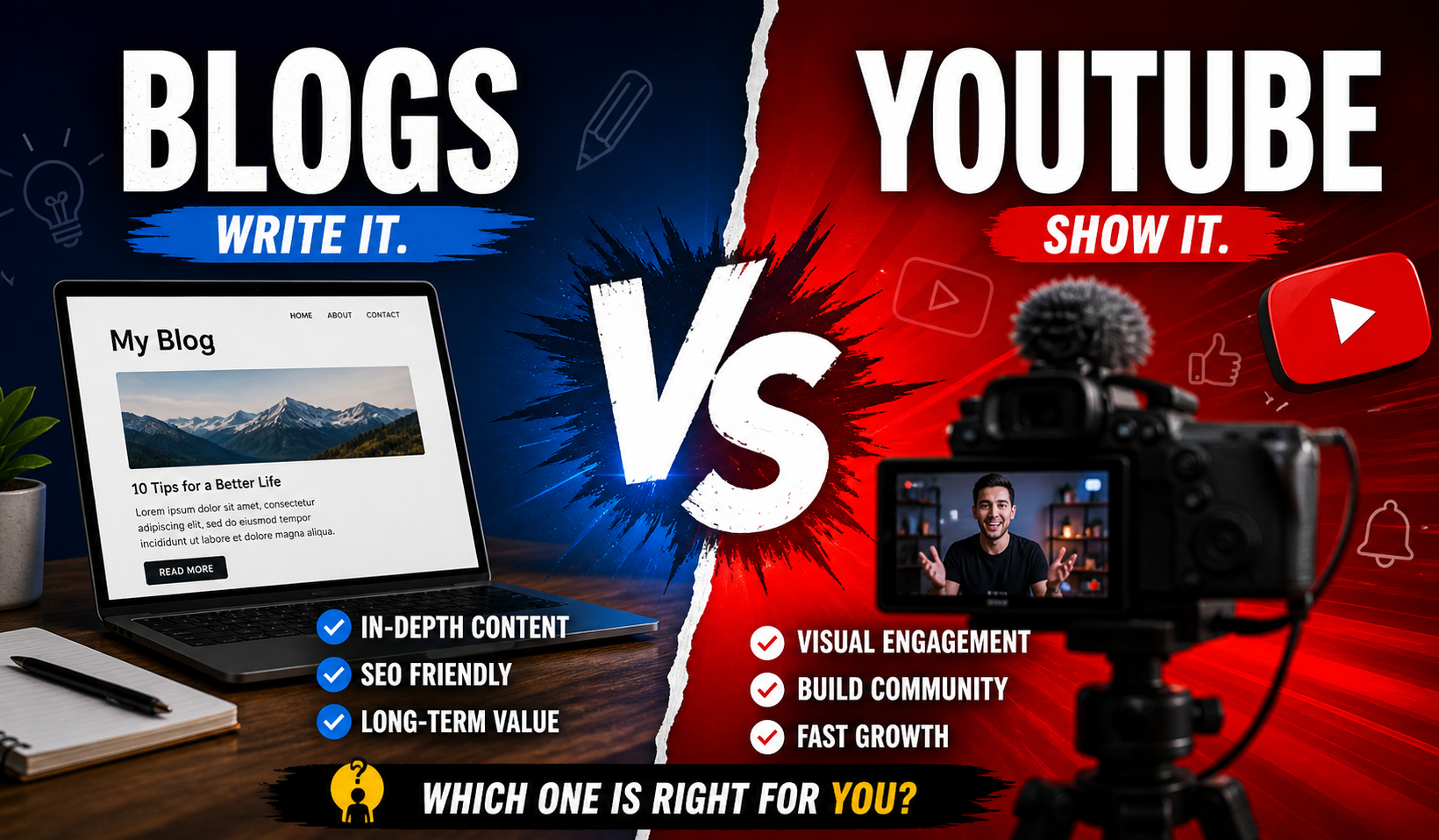
I see a lot of people assuming that in order to make money online, you have to start a YouTube channel. And while YouTube can be a great tool, I think that idea is a little misleading. Blogging is its own game, and you don’t need to be a YouTuber to succeed at it. What you do need is focus, consistency, and the right platform to put your words out there.
Think about it this way: blogging is about quantity and quality. If you can write content that answers questions, inspires readers, or helps people solve problems, you’re already ahead. You don’t need fancy editing skills or a camera setup—what you need is a steady stream of blog posts that target what people are searching for.
The real question isn’t whether you should blog, but where you should blog. And today, writers are spoiled with options.
- WordPress: This is the go-to for serious bloggers. It’s customizable, SEO-friendly, and you can turn it into a full website.
- Wix and Weebly: These are drag-and-drop builders, perfect for people who don’t want to mess with code.
- Medium: A great choice if you want instant access to a built-in audience. The downside? Less control over monetization.
- Blogger and Tumblr: Oldies but goodies. They still work if you’re looking for a simple place to share your thoughts.
- Jimdo: Not as popular, but an option for people who like an all-in-one site builder.
- LinkedIn: This one surprises some people, but LinkedIn articles can go viral and connect you with professionals in your niche.
- Ghost: A platform that’s clean, simple, and made for writers who want a distraction-free space.

That’s nine solid platforms to pick from, and honestly, you can’t go wrong with any of them if your main goal is just to get started. The key is to pick one and stick with it. Too many people jump from site to site and never build momentum.
Now, circling back to YouTube—don’t get me wrong, it’s powerful. If you can direct thousands of viewers from a video to your blog, that can blow up your traffic overnight. But here’s the reality: unless you’re pulling in several thousand consistent views, YouTube isn’t going to send you much love. If you’re only seeing a few hundred views per video, it’s hard to stand out, and readers probably won’t be flocking to your blog.
That doesn’t mean you shouldn’t use YouTube. It just means you should treat it like a side hustle to support your blog, not the main event. For many writers, trying to juggle both ends up splitting their energy. It’s better to focus on building your writing foundation first, then add video content later if you’re ready.
So, what should you actually write about? That’s the million-dollar question. The truth is, trending topics are a blogger’s best friend. If you can catch a wave early, your post can ride that traffic for weeks or even months. Here are a few areas that are buzzing right now and can give you a strong start:
- AI and Technology: Everyone wants to know how artificial intelligence is changing jobs, education, and even relationships. Posts about “How AI Will Affect [Your Industry]” are hot right now.
- Health and Wellness: With people constantly searching for natural remedies, diet tips, and mental health advice, this niche never dies. Focus on things like “Daily Habits for Reducing Stress” or “Best Foods for Energy.”
- Personal Finance: Inflation, side hustles, investing—money topics always attract attention. Write something like “5 Side Hustles That Actually Work in 2025.”
- Social Media and Online Trends: TikTok and Instagram drive culture today. Covering viral challenges or how people can use social media to grow their business will bring in curious readers.
- Lifestyle and Inspiration: Everyone loves motivational content. Posts about routines, productivity hacks, or how to build confidence are always in demand.
- Faith and Spirituality: Believe it or not, people are constantly searching for encouragement and answers online. If you can write about real spiritual struggles or hope, you’ll find an audience.
Blogging, at its core, is about solving problems and starting conversations. Readers want answers, inspiration, or connection. If you can consistently deliver that, the traffic will follow—whether or not you ever touch YouTube.
At the end of the day, don’t get distracted by thinking you must have a YouTube channel. You don’t. Blogging works as long as you treat it like a craft and a business. Pick your platform, stick with a niche, write about what’s trending, and give it time. Success won’t come overnight, but it will come to those who keep publishing.
So here’s my advice: stop stressing about video gear, stop worrying about subscriber counts, and just start writing. The internet is still hungry for good words—and if you’re willing to put them out there, blogging can be just as powerful, if not more, than a YouTube channel.