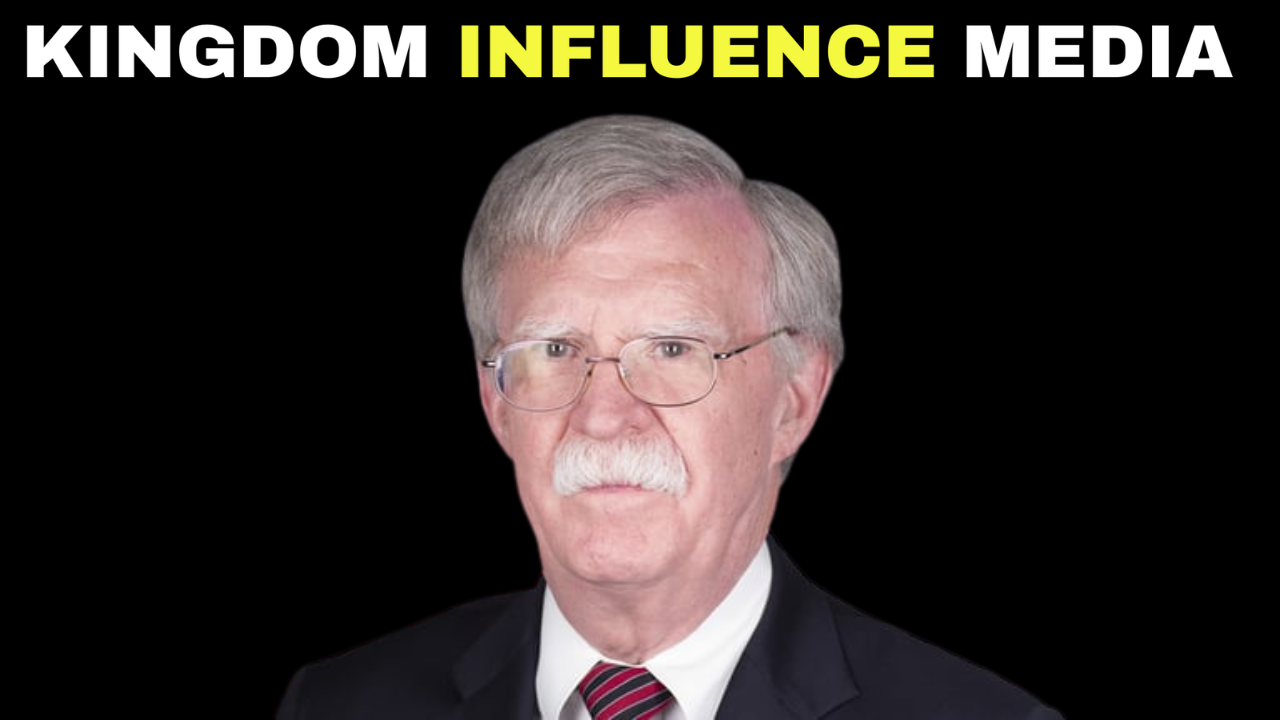


When I first heard that John Bolton had been indicted, I had to pause. This is the same John Bolton who once sat in one of the highest seats of national power — the National Security Advisor under President Donald Trump. Now, he’s facing a federal indictment for allegedly mishandling classified information. It sounds like something out of a political thriller, but this is real life.
What They’re Saying He Did
The Justice Department says Bolton sent out over a thousand pages of sensitive material through his personal email. Allegedly, he was keeping and sharing information tied to national defense — notes, writings, and documents from his time in office. Some of these were supposedly sent to family members, which already raises eyebrows.
Investigators claim they found folders, laptops, and drives with files marked “Trump I–IV” when they raided his home and office. That detail alone has set off a storm of speculation online. There’s even talk that one of Bolton’s personal email accounts got hacked by a foreign actor — which, if true, would make this even more serious.
The indictment lists 18 counts — 8 for transmitting information and 10 for retaining it. Each carries up to ten years in prison. That’s no small thing. But Bolton’s team insists this is being blown out of proportion, saying the materials were already cleared or weren’t classified at all.
The Politics Behind the Headlines
Here’s the part people are really debating: why now? Bolton’s relationship with Trump went sour years ago. He’s been one of Trump’s fiercest critics ever since leaving the White House. He wrote a tell-all book, gave interviews, and even said Trump was “unfit for office.”
So when this indictment dropped, a lot of folks immediately wondered if this was politically motivated. Bolton is not a small name — this is someone who has shaped U.S. foreign policy for decades. Bringing him down sends a message, whether that was the intention or not.
At the same time, the Justice Department is trying to prove that it applies the law equally — even to powerful people. Remember, we’ve seen other high-level figures face similar charges about classified information. So maybe this is their way of showing consistency. Still, the optics are wild.
What This Case Could Mean
If the government’s allegations are true, this would be a massive breach of national trust. You can’t have people who sat in the Situation Room — folks with access to top-tier secrets — casually emailing or storing that kind of information. That’s not just reckless; it’s dangerous.
But if Bolton’s right — if the documents were cleared or over-classified — this case could expose flaws in how America labels and handles “classified” material. Washington has long had a bad habit of stamping “classified” on things that aren’t truly sensitive, just to protect reputations or political interests.
This trial could force that system to get a closer look. How do we decide what’s actually a national secret? Who makes that call? And can the government really prosecute people for holding onto information that, technically, might not be secret at all?
A Bigger Pattern Emerging
There’s something bigger happening here. The Bolton case isn’t just about one man — it’s about the erosion of trust in the U.S. government. People are losing faith in institutions that are supposed to be above politics. Every time a major figure gets charged, half the country cheers and the other half calls it corruption.
We’re seeing the justice system turned into another battlefield. Whether you think Bolton deserves it or not, it’s hard to deny the country feels more divided than ever.
The timing, the politics, the public reaction — it all feels like part of a much larger problem. We’ve stopped believing in fairness. Every headline now reads like another move in a long political chess match.
What Happens Next
Bolton is expected to appear in federal court in Maryland. His lawyers will almost certainly fight hard to dismiss some or all of the charges. The real battle, though, will be over the definition of classified information and how it’s handled after officials leave office.
If this goes to trial, we’ll see high-level government processes dragged into the open. That’s going to be uncomfortable for a lot of people in Washington — not just Bolton.
One thing’s for sure: this story isn’t over. The result of this case could reshape how the U.S. deals with sensitive information — and how much the public can trust the people who handle it.
Liam’s Take
I’ll be real: this feels like a warning shot to anyone who’s ever held power in D.C. The message is clear — nobody’s untouchable. But at the same time, it also shows how blurred the line between justice and politics has become.
Was this about protecting national security, or was it about sending a political message? That’s the question everyone’s asking. And the truth might depend on which side of the fence you’re standing on.