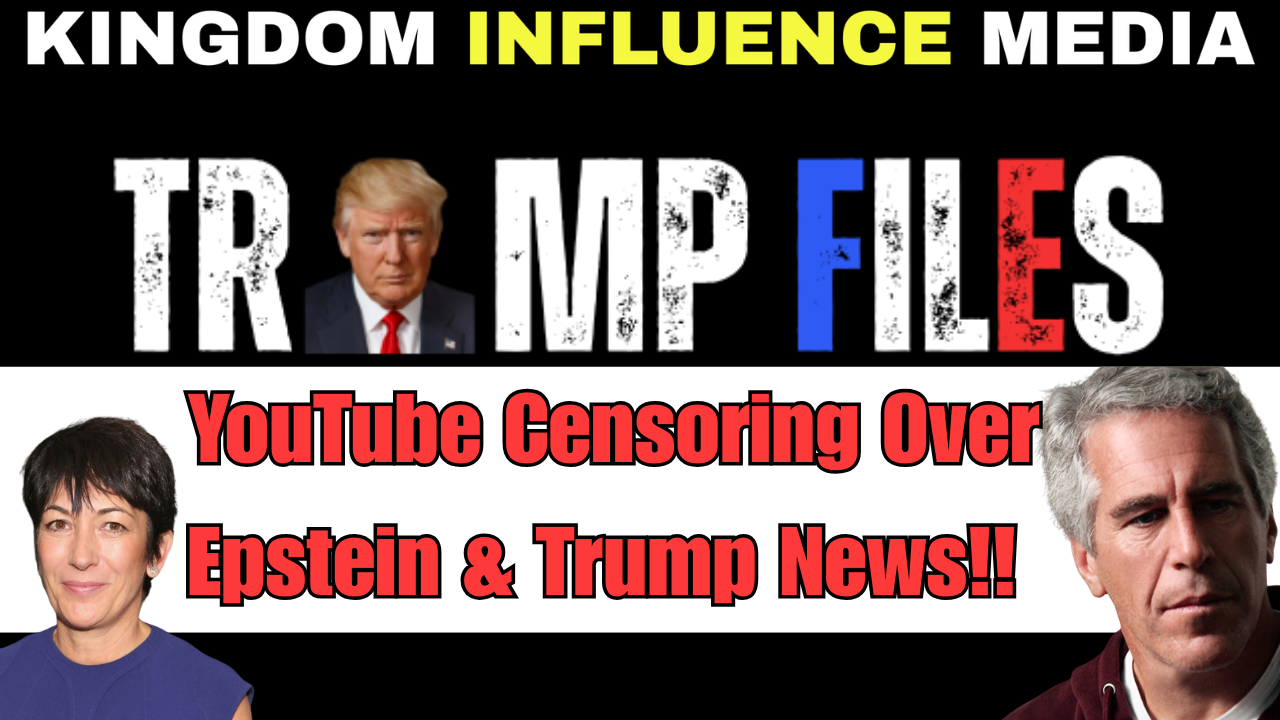
During the latest episode of the Ya Girl Renae Business Podcast, concerns were raised over YouTube’s alleged removal and restriction of videos discussing the Epstein email leak and Donald Trump’s connection to the case. The conversation highlighted growing worries about digital transparency, online free speech, and whether major tech platforms are quietly shaping what the public can and cannot see.

In a recent episode of the “Ya Girl Renae Business Podcast,” hosts and contributors took on a growing issue that has now reached the attention of independent journalists and media observers: allegations that YouTube is quietly censoring videos addressing the Jeffrey Epstein email leak and any discussions that involve former President Donald Trump’s possible relevance to the case.
Over the past several weeks, viewers and content creators have reported rapid takedowns of videos covering the newly surfaced cache of more than 20,000 Epstein-related emails. According to multiple creators, videos that analyze the documents or question their political implications are either being demonetized, restricted, age-limited, or removed entirely under broad policy reasons that appear inconsistent or unexplained.
The Ya Girl Renae Business Podcast highlighted these claims after numerous creators reached out with screenshots, warnings, and channel notifications. While YouTube has not issued a public statement specifically addressing these allegations, the timing and pattern of enforcement have raised questions among independent media figures who rely on the platform to report and discuss developing news.
During the podcast, Renae and her team noted that the censorship reports became more frequent shortly after news outlets began acknowledging the existence of the leaked emails. Listeners were shown examples of creators whose videos lasted only a few hours before receiving automated takedown notices. In other cases, creators who have no history of community-guideline violations suddenly found themselves flagged for “harmful or misleading content,” despite citing publicly available documents or referencing mainstream reporting.
Journalists covering the episode emphasized a key concern: the perceived unevenness in how enforcement occurs. While smaller independent channels face rapid action, larger corporate outlets frequently retain full access and monetization on similar subjects. This inconsistency fuels speculation that YouTube’s algorithm — or internal moderation teams — may be more aggressively targeting non-establishment voices discussing the case.
The conversation on Ya Girl Renae’s platform underscored a larger issue within the digital media landscape: the power imbalance between creators and the platforms that host them. As explained in the episode, YouTube functions as both a distribution system and a gatekeeper. When certain topics receive heightened scrutiny or sudden suppression, it influences public perception, limits discourse, and potentially shapes political narratives.
Independent journalists listening to the podcast echoed that sentiment, noting that censorship — even when unintentional — can erode public trust. When users cannot clearly understand why certain content is removed while similar content remains available, it raises doubts about neutrality and transparency. In cases involving politically sensitive topics, such as the Epstein files, the effect is magnified.
The podcast team raised another critical point: the lack of detailed communication from YouTube. Creators frequently receive automated messages without specific examples of violations. As highlighted on the show, this leaves them without meaningful recourse and prevents them from understanding how to remain compliant. Without clear standards, creators fear that even factual reporting may trigger penalties.
While the podcast acknowledged that platforms have the right to enforce community guidelines, participants argued that enforcement should be consistent, transparent, and fair — particularly when dealing with information of high public interest. The Epstein email leak, which involves influential political figures across multiple parties, remains one of the most scrutinized scandals of the year. Suppressing discussion of such a topic raises questions about who determines what information reaches the public.
As the episode concluded, the show urged creators, viewers, and journalists to continue monitoring the situation. If the reports of censorship continue, they may spark renewed debate over online free speech, digital neutrality, and whether major platforms should face external oversight when handling politically sensitive content.
For now, the allegations remain unconfirmed by YouTube. But as the Ya Girl Renae Business Podcast emphasized, the consistency of reports and the timing suggest that this is an issue deserving further investigation.




Honestly, whether someone likes Trump or not doesn’t matter here. The point is that YouTube shouldn’t be controlling the conversation. Let folks talk. Let the public decide what’s credible. When they start shutting down specific topics, that’s when we should all be worried.
I’m not even political like that, but why is THIS topic the one getting flagged? People talk about celebrities all day long, but the moment those emails came out, suddenly everyone’s videos start disappearing? Yeah… something isn’t adding up
This is exactly why independent media matters. When big platforms start picking and choosing what the public gets to see, the truth gets buried. I’m not surprised, but I am disappointed. Good reporting from Ya Girl Renae for shining a light on it.
I’m glad somebody finally said it out loud. I’ve been watching creators complain about this for weeks and thought maybe I was imagining things. If YouTube is really removing Epstein content while leaving everything else up, that’s a serious problem. We need transparency, not selective silence.