Posted By: Taylor

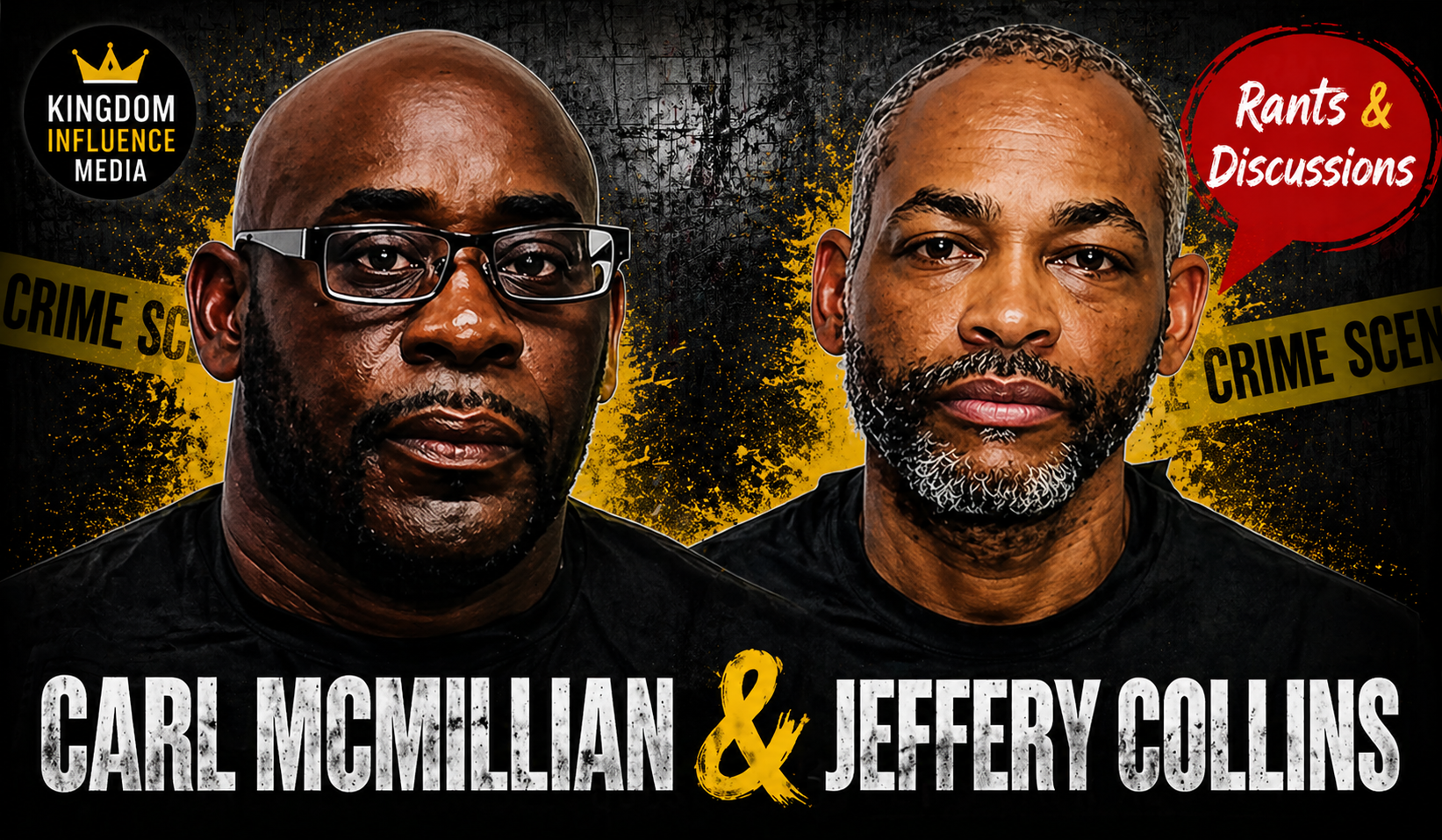
Let me say this first, situations like this are exactly why people have such mixed feelings about law enforcement. A simple window tint violation in Chadbourn turns into a full-blown drug trafficking arrest, and now two men, Jeffery Collins and Carl McMillian, are facing charges that could change their lives forever. That’s not small. That’s life-altering.
Now, from a journalism standpoint, the facts are the facts. Officers conducted a stop, a K-9 unit was brought in, and the dog alerted. That alert gave probable cause, and during the search, authorities say they found a trafficking amount of cocaine. That’s the official narrative, and on paper, it all lines up with procedure.
But from a philosophical lens, this is where it gets deeper. We have to ask ourselves: how often do minor infractions become gateways into major criminal cases? And is that balance between public safety and individual rights always handled fairly? Because let’s be real, window tint isn’t what people think about when they think “drug trafficking.” Yet here we are.


At the same time, if the allegations are true, then this also highlights a very real issue that communities continue to face—drug activity that operates quietly until it doesn’t. Law enforcement will argue this is exactly how they intercept it. A small stop, a trained K-9, and suddenly something bigger is uncovered.
But here’s the part that can’t be ignored—charges are not convictions. Both Collins and McMillian are now caught in a system where public perception moves faster than the truth. Once names and charges hit the public, people start forming opinions immediately. In today’s world, being accused can feel almost the same as being found guilty in the court of public opinion. And that’s dangerous.
Because while authorities say this is part of an ongoing effort to crack down on illegal drug activity, we as a society have to balance that with fairness, due process, and the understanding that every story has layers we don’t always see in a report. This is where journalism and philosophy meet. Journalism tells us what happened. Philosophy asks us what it means. So what does this mean?
It means we should pay attention—but not rush to judgment. It means we should care about safety—but also about rights. And it means that stories like this aren’t just about arrests, they’re about systems, communities, and the fine line between protection and overreach. Because at the end of the day, this wasn’t just a traffic stop. This was a moment where law, perception, and reality all collided.