When God says “come as you are,” it’s an open invitation to the broken, the flawed, the dirty, and the struggling. But nowhere in Scripture does God say “stay as you are.” The relationship with God is meant to transform us. Yes, it starts with acceptance, but it continues with growth, sanctification, and the gradual shedding of old ways. This journey of transformation is a testament to God’s power to make us new. 2 Corinthians 5:17 says, “Therefore, if anyone is in Christ, he is a new creation; old things have passed away; behold, all things have become new.” This verse makes it clear that when we come to God, something has to change. There is a shedding of the old self to embrace the new life that Christ offers.
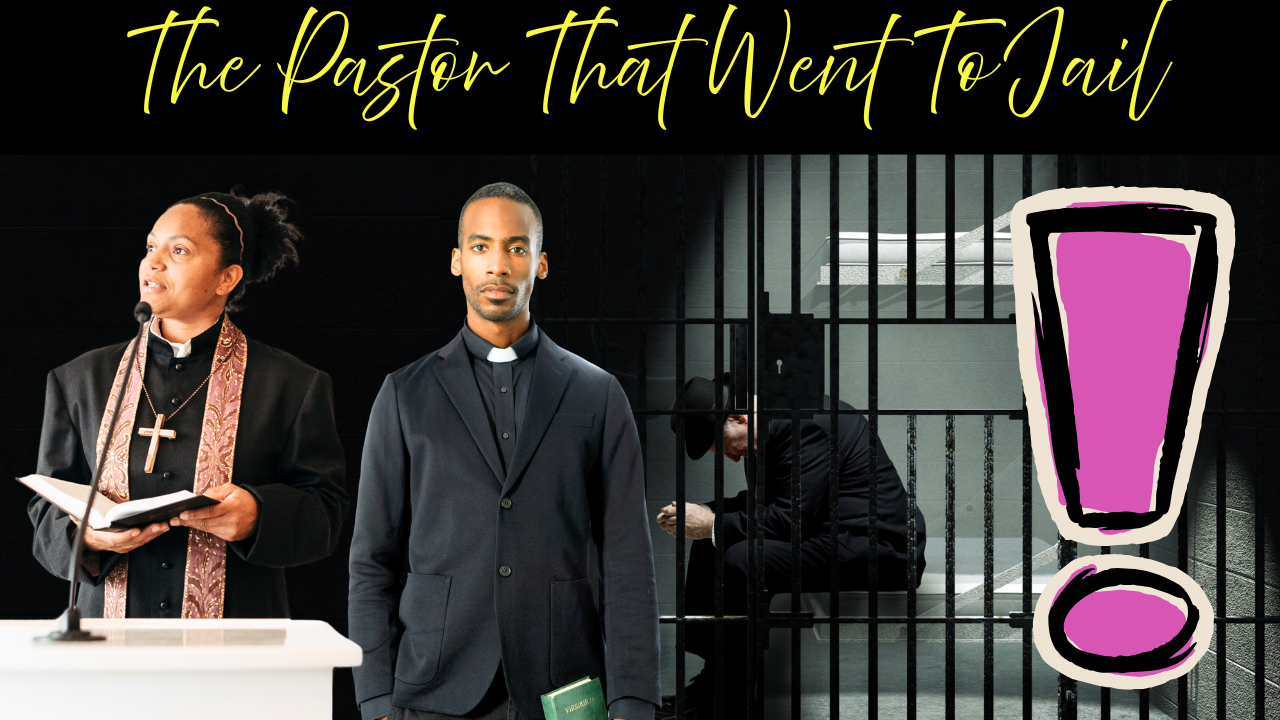
Consider the pastor who went to jail for robbery and theft. He faced the consequences of his actions, which led to a deep reflection and eventual transformation. Some might argue that he only changed because he didn’t want to go back to jail. But even if that was his initial motivation, it doesn’t disqualify the change. Often, God uses the consequences of our sin to wake us up, to pull us out of darkness.
The real question is: what happened after the decision to change? Did he continue on the path of righteousness when no one was watching? Did his motivations evolve from self-preservation to genuine love for God? True transformation is revealed not just in our decision to change but in the consistency and sincerity of that change.
Paul addresses this in Philippians 1:15-18, acknowledging that some preach Christ out of envy and rivalry, while others do so out of goodwill. Yet, Paul rejoices because Christ is being preached. God can use even imperfect motivations to accomplish His will. But as we grow, our motivations should mature. What begins as fear or desperation should deepen into love, devotion, and commitment.
Unfortunately, pastors and believers often judge each other harshly, forgetting Romans 3:23: “For all have sinned and fall short of the glory of God.” The moment we forget our own need for grace, we start acting like gatekeepers instead of servants. Whether the pastor stopped for God or to save his life, what matters is the fruit that followed. Did his life reflect Christ after the change?
This principle of transformation applies to every part of our lives, including how we dress and present ourselves. When God says “come as you are,” it doesn’t mean we are called to remain looking, acting, and living like the world. Romans 12:2 commands, “Do not be conformed to this world, but be transformed by the renewing of your mind.” God desires that we stand out, that people recognize His presence in us.
1 Peter 2:9 declares, “But you are a chosen generation, a royal priesthood, a holy nation, His own special people, that you may proclaim the praises of Him who called you out of darkness into His marvelous light.” Our appearance, our speech, our behavior—all should reflect that we are set apart.